Special News Series: Rising Up For Justice! – CA city announced $4 million settlement over police shooting of mentally ill Black man
Share
Explore Our Galleries









Breaking News!
Today's news and culture by Black and other reporters in the Black and mainstream media.
Ways to Support ABHM?
Introduction To This Series:
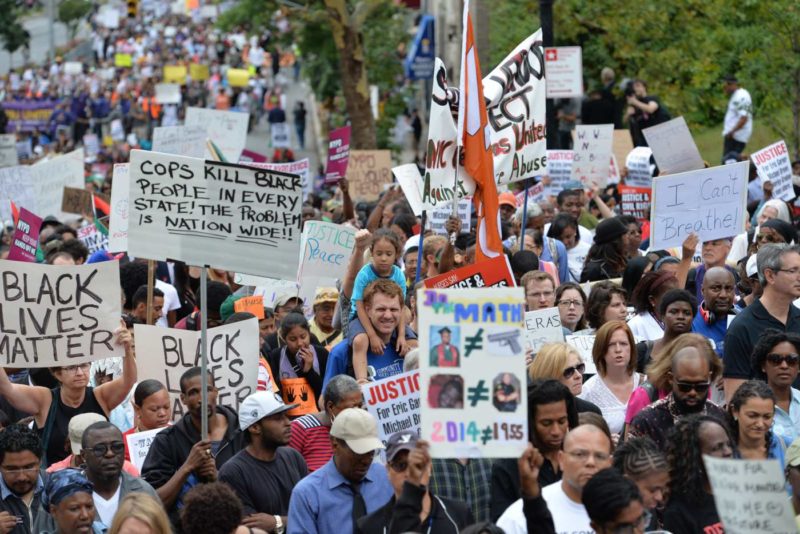
This post is one installment in an ongoing news series: a “living history” of the current national and international uprising for justice.
Today’s movement descends directly from the many earlier civil rights struggles against repeated injustices and race-based violence, including the killing of unarmed Black people. The posts in this series serve as a timeline of the uprising that began on May 26, 2020, the day after a Minneapolis police officer killed an unarmed Black man, George Floyd, by kneeling on his neck. The viral video of Floyd’s torturous suffocation brought unprecedented national awareness to the ongoing demand to truly make Black Lives Matter in this country.
The posts in this series focus on stories of the particular killings that have spurred the current uprising and on the protests taking place around the USA and across the globe. Sadly, thousands of people have lost their lives to systemic racial, gender, sexuality, judicial, and economic injustice. The few whose names are listed here represent the countless others lost before and since. Likewise, we can report but a few of the countless demonstrations for justice now taking place in our major cities, small towns, and suburbs.
To view the entire series of Rising Up for Justice! posts, insert “rising up” in the search bar above.
California city announced $4 million settlement over fatal police shooting of mentally ill Black man
By Christina Maxouris, CNN
September 22, 2020
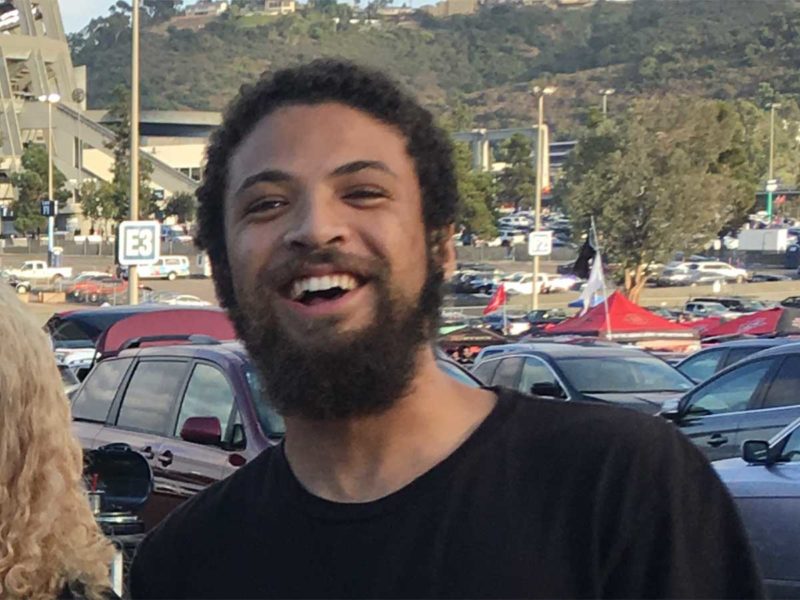
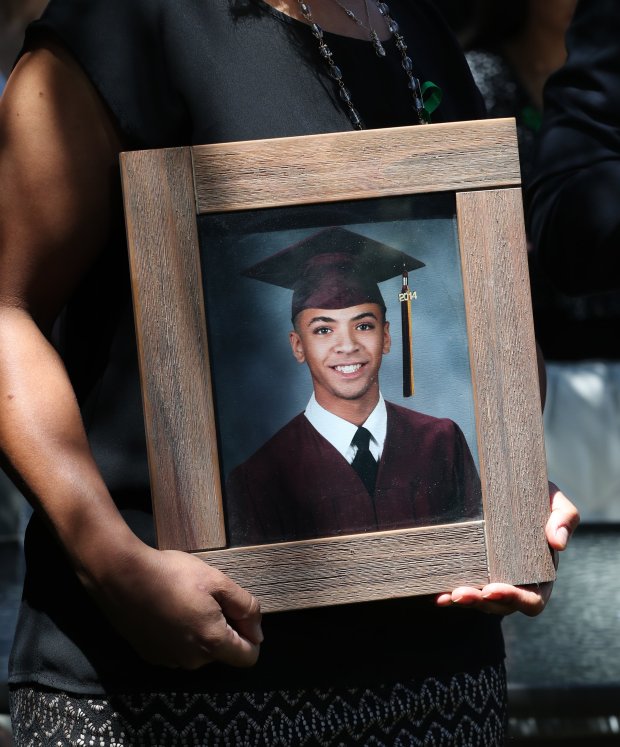
A California city announced a $4 million settlement of a federal lawsuit with the family of Miles Hall, a 23-year-old Black man who was shot by police last year while having a mental health episode.
“The events of the day were tragic and difficult for all involved — the Hall family, the Walnut Creek community, and the police officers called to the scene,” the city of Walnut Creek said in a Friday news release. “While the City recognizes the continuing loss for the Hall family, it is the City’s sincere hope that settlement of this civil lawsuit will provide a step towards healing.”
A long court battle, the city’s attorney Noah Blechman said in the release, “is not in the best interest of anyone involved.”
The settlement, Hall’s mother says, does not mean justice for her son. But it means the family can move on from legal proceedings and focus on the work they’ve started through the Miles Hall Foundation, pushing for a reformed response to mental health emergencies.
“Money is not going to give us peace, it’s not going to give us satisfaction,” Taun Hall said. “Justice will be when we are able to have a non-police response for the mentally ill, at least here to start in Contra Costa County. And then, it could be something… throughout the nation…”
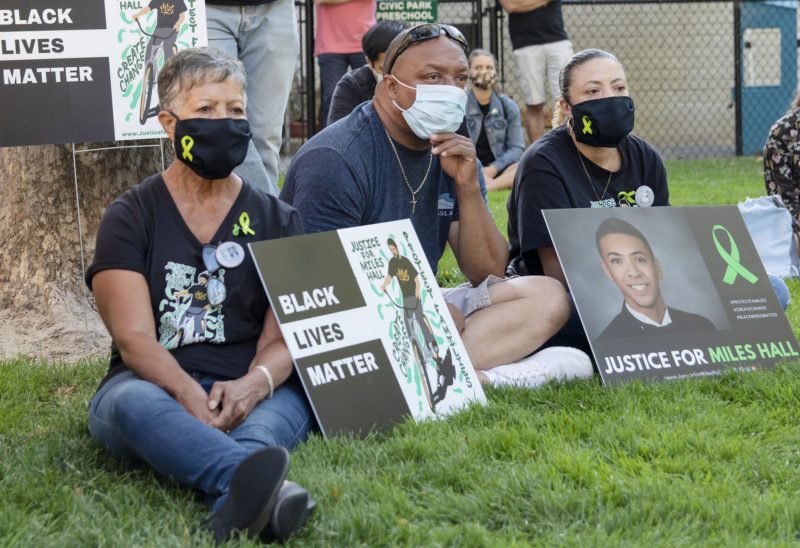
City leaders say that, following Hall’s shooting, they began re-thinking what the response to mental health emergencies should look like and are working with county experts to come up with a non-law enforcement program that would tackle non-violent crises.
In the release following the settlement, the city said it’s allocated $600,000 toward efforts to better train officers and city employees, create a Diversity and Inclusion Task Force and provide training on issues like implicit bias and diversity.
And Walnut Creek police, who say they feel a law enforcement presence is still necessary in more volatile situations, say they’re looking to create a crisis intervention team by partnering with several cities and law enforcement agencies. It will consist of officers who have received specialized training for these scenarios.
Read the full article here.
More Breaking News here.
Comments Are Welcome
Note: We moderate submissions in order to create a space for meaningful dialogue, a space where museum visitors – adults and youth –– can exchange informed, thoughtful, and relevant comments that add value to our exhibits.
Racial slurs, personal attacks, obscenity, profanity, and SHOUTING do not meet the above standard. Such comments are posted in the exhibit Hateful Speech. Commercial promotions, impersonations, and incoherent comments likewise fail to meet our goals, so will not be posted. Submissions longer than 120 words will be shortened.
See our full Comments Policy here.