Why Black Folks Need to Know About Plastic Free July
Share
Explore Our Galleries









Breaking News!
Today's news and culture by Black and other reporters in the Black and mainstream media.
Ways to Support ABHM?
By Maya Richard-Craven, Word in Black
[…]
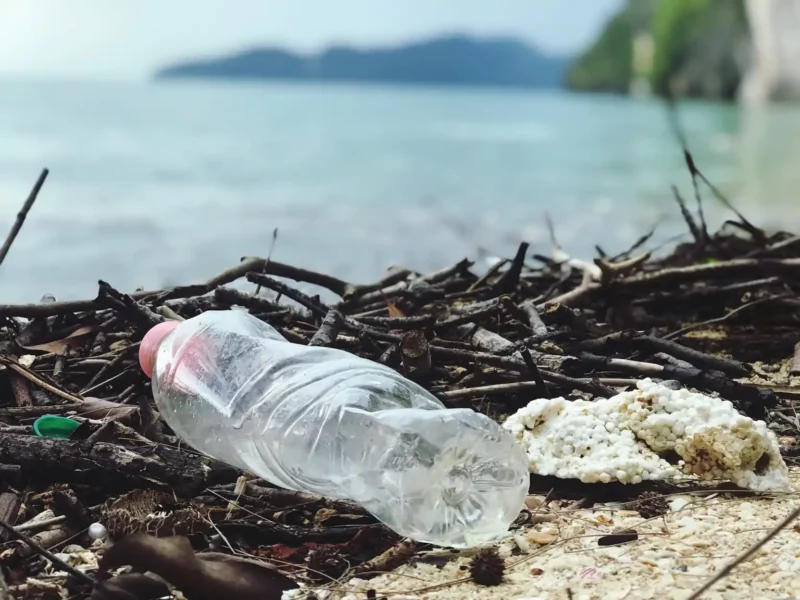
A 2019 report from the Global Alliance for Incinerator Alternatives revealed that people of color are more likely to be impacted by plastic pollution. That’s because 79% of incinerators are in communities of color, and inhaling burned plastic can be deadly.
Desiree McGill, a 24-year-old San Francisco-based climate content creator tells Word In Black thatl, “plastic pollution leads to a range of health problems, including respiratory issues, cancer, and disruptions in the endocrine system.”
Indeed, Black people are 37% more likely to have lung cancer than other groups, and Black children have higher rates of asthma than white children.
“Black communities may be at a heightened risk because they are more likely to experience the combined impacts of exposure to plastic pollutants and other environmental stressors,” McGill says.
Racial segregration also contributes to the problem.
“Incinerators, landfills, and factories are more often not put into Black neighborhoods. It’s not in my backyard type of mentality that affluent neighborhoods tend to have,” says non-profit director and climate justice activist Ayia Lindquist.
Discover what one woman is doing to combat plastic pollutants.
Read about how where you live impacts your health.
More breaking news here.
Comments Are Welcome
Note: We moderate submissions in order to create a space for meaningful dialogue, a space where museum visitors – adults and youth –– can exchange informed, thoughtful, and relevant comments that add value to our exhibits.
Racial slurs, personal attacks, obscenity, profanity, and SHOUTING do not meet the above standard. Such comments are posted in the exhibit Hateful Speech. Commercial promotions, impersonations, and incoherent comments likewise fail to meet our goals, so will not be posted. Submissions longer than 120 words will be shortened.
See our full Comments Policy here.