Utah women’s basketball team ‘troubled and shaken’ as ‘disturbing’ details of alleged racist abuse directed at players emerge
Share
Explore Our Galleries









Breaking News!
Today's news and culture by Black and other reporters in the Black and mainstream media.
Ways to Support ABHM?
By George Ramsay and Jill Martin, CNN
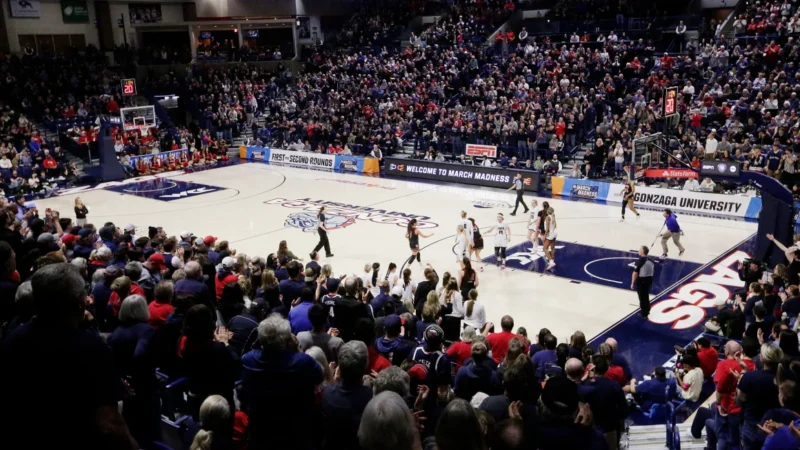
Members of the Utah women’s basketball team have been left “deeply troubled and shaken” by what team officials called “hateful and disturbing” racial abuse ahead of their NCAA tournament opening game.
The team has filed a police report and is now releasing more details of what it says occurred in Coeur d’Alene, Idaho, on Thursday ahead of a game against South Dakota State in Spokane, Washington, which is about 30 miles away.
According to a statement from Utah Athletics Director Mark Harlan, deputy AD Charmelle Green and women’s basketball coach Lynne Roberts, the team was on its way to dinner when a vehicle drove past and “shouted racial epithets at the group.”
Later, when the team was on its way back from dinner, a vehicle drove slowly past the group, “revving its engine” while the occupants again shouted “racially disparaging words and threats,” the statement said.
It added: “As can be imagined, many students, staff and other members of the traveling party were deeply disturbed and fearful after the incidents, in what should be a safe and enjoyable experience.”
In an interview with CNN affiliate KSL, Green said that the N-word had been shouted at the team on each of the two occasions.
Police have opened an investigation.
Read more about hateful speech in this virtual exhibit.
Find more Breaking News here.
Comments Are Welcome
Note: We moderate submissions in order to create a space for meaningful dialogue, a space where museum visitors – adults and youth –– can exchange informed, thoughtful, and relevant comments that add value to our exhibits.
Racial slurs, personal attacks, obscenity, profanity, and SHOUTING do not meet the above standard. Such comments are posted in the exhibit Hateful Speech. Commercial promotions, impersonations, and incoherent comments likewise fail to meet our goals, so will not be posted. Submissions longer than 120 words will be shortened.
See our full Comments Policy here.