COVID-19
Explore Our Online Exhibits










Breaking News


Worldwide Community Events
Week 6
- Sun 26
- Mon 27
- Tue 28
- Wed 29
- Thu 30
- Fri 31
- Sat 1
- Sun 2
- Mon 3
- Tue 4
- Wed 5
- Thu 6
- Fri 7
- Sat 8
- Sun 9
- Mon 10
- Tue 11
- Wed 12
- Thu 13
- Fri 14
- Sat 15
- Sun 16
- Mon 17
- Tue 18
- Wed 19
- Thu 20
- Fri 21
- Sat 22
- Sun 23
- Mon 24
- Tue 25
- Wed 26
- Thu 27
- Fri 28
- Sat 29
- Sun 30
- Mon 31
- Tue 1
- Wed 2
- Thu 3
- Fri 4
- Sat 5
-
01August01August
Bronzeville Week 2026
Bronzeville, Milwaukee01August
-
02August02August
Bronzeville Week 2026
Bronzeville, Milwaukee -
03August03August
Bronzeville Week 2026
Bronzeville, Milwaukee -
04August04August
Bronzeville Week 2026
Bronzeville, Milwaukee -
05August05August
Bronzeville Week 2026
Bronzeville, Milwaukee -
06August06August
Bronzeville Week 2026
Bronzeville, Milwaukee06August
-
07August07August
Bronzeville Week 2026
Bronzeville, Milwaukee -
08August08August
Bronzeville Week 2026
Bronzeville, Milwaukee -
09August
-
10August10August
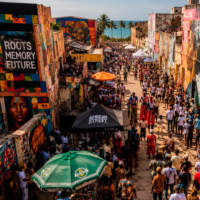
Chale Wote Art Festival 2026
Accra, Ghana -
11August11August
Chale Wote Art Festival 2026
Accra, Ghana -
12August12August
Chale Wote Art Festival 2026
Accra, Ghana12August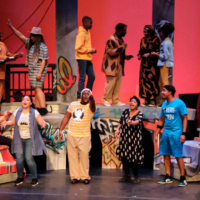
MKE Black Theatre Festival 2026
Various locations in Milwaukee, WI -
13August13August
Chale Wote Art Festival 2026
Accra, Ghana13AugustMKE Black Theatre Festival 2026
Various locations in Milwaukee, WI -
14August14August
Chale Wote Art Festival 2026
Accra, Ghana14AugustMKE Black Theatre Festival 2026
Various locations in Milwaukee, WI -
15August15August
Chale Wote Art Festival 2026
Accra, Ghana15AugustMKE Black Theatre Festival 2026
Various locations in Milwaukee, WI -
16August16August
Chale Wote Art Festival 2026
Accra, Ghana16AugustMKE Black Theatre Festival 2026
Various locations in Milwaukee, WI -
17August17August
Chale Wote Art Festival 2026
Accra, Ghana17AugustMKE Black Theatre Festival 2026
Various locations in Milwaukee, WI -
18August18August
MKE Black Theatre Festival 2026
Various locations in Milwaukee, WI -
19August19August
MKE Black Theatre Festival 2026
Various locations in Milwaukee, WI -
20August20August
MKE Black Theatre Festival 2026
Various locations in Milwaukee, WI -
21August21August
MKE Black Theatre Festival 2026
Various locations in Milwaukee, WI -
22August22August
MKE Black Theatre Festival 2026
Various locations in Milwaukee, WI22August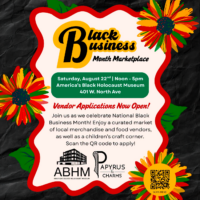
-
23August23August
MKE Black Theatre Festival 2026
Various locations in Milwaukee, WI -
24August24August
MKE Black Theatre Festival 2026
Various locations in Milwaukee, WI -
25August25August
MKE Black Theatre Festival 2026
Various locations in Milwaukee, WI -
26August26August
MKE Black Theatre Festival 2026
Various locations in Milwaukee, WI -
27August27August
MKE Black Theatre Festival 2026
Various locations in Milwaukee, WI -
28August28August
MKE Black Theatre Festival 2026
Various locations in Milwaukee, WI -
29August29August
MKE Black Theatre Festival 2026
Various locations in Milwaukee, WI29August 1:30 PM
ABHM Book Club: How Black History Can Save Your Life by Ernest Crimm III
ABHM in Milwaukee, WI -
30August30August

-
31August
Share
A coronavirus known as SARS-CoV-2 caused the COVID-19 pandemic, which originated in China before spreading worldwide in 2020. This global pandemic was not equally destructive, however. The virus itself was more harmful to elderly people and those with pre-existing health conditions. However, economic and racial inequalities prevented some people from accessing necessary screening, treatment, or vaccines or following medical advice such as social distancing or quarantining. Medical racism also played a role during COVID-19, and some Black patients formed support groups after the medical system ignored them. The pandemic also highlighted how some medical equipment worked poorly for Black patients.
Nearly 7 million people died of COVID globally, with millions more surviving the disease that raged for multiple years. In the United States, Black people remained at risk while others decreased their concern, which was entirely warranted. African Americans experienced a higher death rate due to COVID-19 than other races, and many struggle with the effects of long COVID. Lingering illness and disability have removed some people from the workforce, while others struggle financially under the weight of caring for or losing others in their households. Funding intended for Black Americans to help mitigate these harms resulted in lawsuits. Similarly, money intended for COVID-19 support was rerouted to prisons, which had already contributed to the rapid-fire spread of COVID-19.
The pandemic prompted a shift to virtual learning, working, and communication. While some welcomed this shift, it further highlighted economic disparities for others. This also resulted in learning setbacks for students. Meanwhile, COVID-19 resurfaced distrust between the Black community and the medical establishment that stems, in part, from the Tuskegee experiment.
COVID-19 was also the backdrop of the Black Lives Matter movement, which grew after video of the May 2020 murder of George Floyd by a Minneapolis police officer surfaced online.
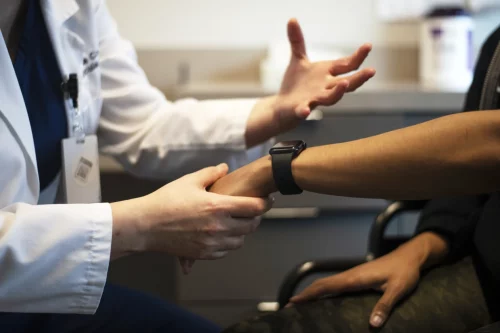
Patients like Chimére Smith pleaded with doctors to take their COVID-19 symptoms seriously. When ignored, they went online for support.
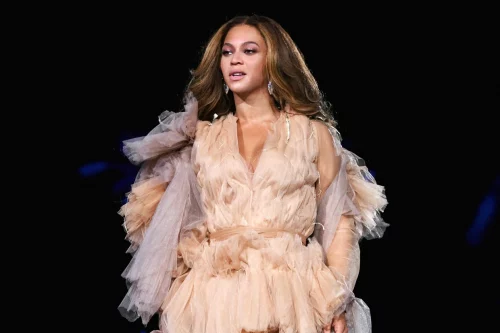
Unlike previous releases, Beyoncé’s newest album, Renaissance, is struggling among American fans, perhaps because of poorly timed themes.

After a long history of medical racism, many Black Americans are hesitant to seek medical care and and suffer the consequences of no treatment.
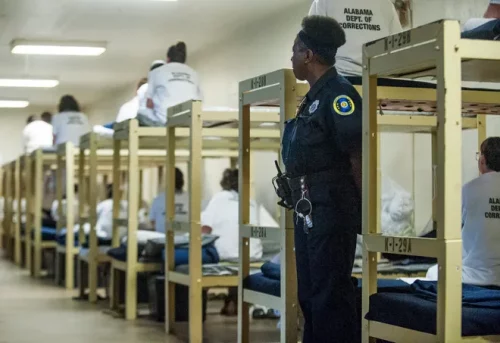
Alabama continues its long history of diverting money from deserving programs and people by using COVID-19 relief funds for its prison system.
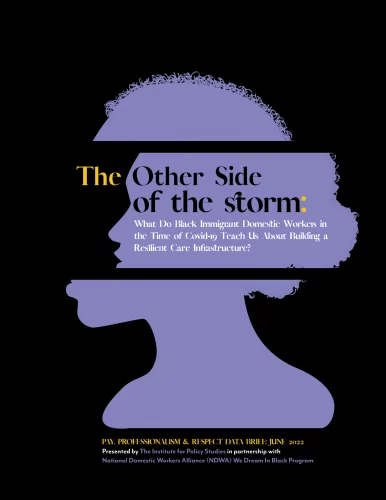
During the COVID pandemic, domestic workers were frequently overlooked in the media and by the government, despite many continuing to work.
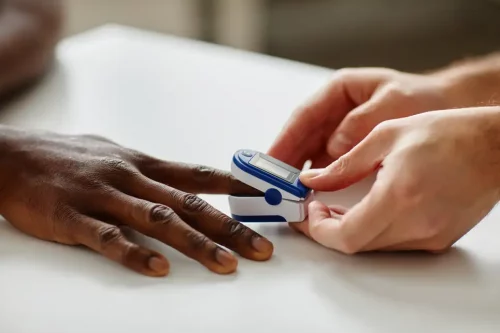
Research shows that devices that measure oxygen in blood don’t work as well for people of color, leading to delayed COVID-19 treatment.
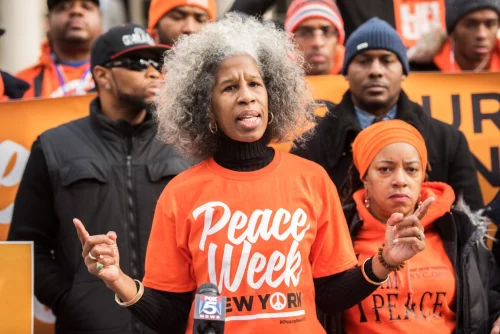
According to a CDC report, gun violence in 2020 was the highest it’s been in 25 years, and Black Americans, are disproportionately victims.

In Pittsburgh and around the country, black-owned businesses are on the rise, continuing a trend from before the COVID-19 pandemic.
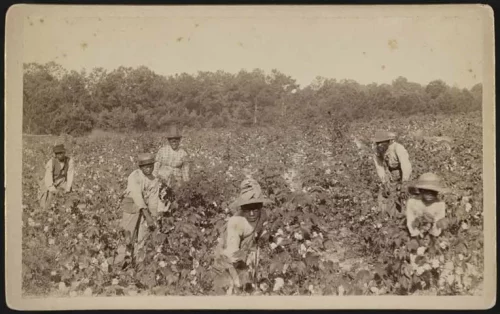
The economic inequalities that stem from slavery have contributed to the health dispartities experienced by the black community in the age of a pandemic.

Dr. Matshidiso Moeti has overcome discrimination in apartheid South Africa to become one of the world’s top health administrators, and aids the fight against the COVID pandemic.