COVID-19
Explore Our Online Exhibits









Breaking News

Worldwide Community Events
Week 3
- Sun 27
- Mon 28
- Tue 29
- Wed 30
- Thu 1
- Fri 2
- Sat 3
- Sun 4
- Mon 5
- Tue 6
- Wed 7
- Thu 8
- Fri 9
- Sat 10
- Sun 11
- Mon 12
- Tue 13
- Wed 14
- Thu 15
- Fri 16
- Sat 17
- Sun 18
- Mon 19
- Tue 20
- Wed 21
- Thu 22
- Fri 23
- Sat 24
- Sun 25
- Mon 26
- Tue 27
- Wed 28
- Thu 29
- Fri 30
- Sat 31
-
27September
-
28September
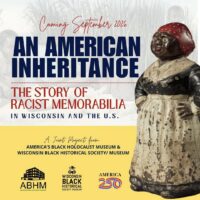
An American Inheritance: The Story of Racist Memorabilia
Wisconsin Black Historical Society in MKE28September -
29September
An American Inheritance: The Story of Racist Memorabilia
Wisconsin Black Historical Society in MKE29September -
30September
An American Inheritance: The Story of Racist Memorabilia
Wisconsin Black Historical Society in MKE30September -
01October
An American Inheritance: The Story of Racist Memorabilia
Wisconsin Black Historical Society in MKE01October -
02October
An American Inheritance: The Story of Racist Memorabilia
Wisconsin Black Historical Society in MKE02October -
03October
An American Inheritance: The Story of Racist Memorabilia
Wisconsin Black Historical Society in MKE03October03October 9:00 AM - 4:00 PM
18th Annual Black Women’s Wellness Day
Monona Terrace Community & Convention Center -
04October
An American Inheritance: The Story of Racist Memorabilia
Wisconsin Black Historical Society in MKE04October -
05October
An American Inheritance: The Story of Racist Memorabilia
Wisconsin Black Historical Society in MKE05October -
06October
An American Inheritance: The Story of Racist Memorabilia
Wisconsin Black Historical Society in MKE06October -
07October
An American Inheritance: The Story of Racist Memorabilia
Wisconsin Black Historical Society in MKE07October -
08October
An American Inheritance: The Story of Racist Memorabilia
Wisconsin Black Historical Society in MKE08October08October
Silicon Valley African Film Festival 2026
The Historic Hoover Theatre, San Jose -
09October
An American Inheritance: The Story of Racist Memorabilia
Wisconsin Black Historical Society in MKE09October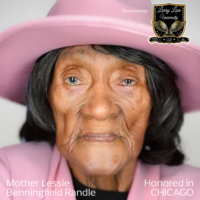
Mother Lessie Benningfield Randle Comes to Chicago
Obama Presidential Center09October09OctoberSilicon Valley African Film Festival 2026
The Historic Hoover Theatre, San Jose -
10October
An American Inheritance: The Story of Racist Memorabilia
Wisconsin Black Historical Society in MKE10OctoberMother Lessie Benningfield Randle Comes to Chicago
Obama Presidential Center10October10OctoberSilicon Valley African Film Festival 2026
The Historic Hoover Theatre, San Jose -
11October
An American Inheritance: The Story of Racist Memorabilia
Wisconsin Black Historical Society in MKE11OctoberMother Lessie Benningfield Randle Comes to Chicago
Obama Presidential Center11October11OctoberSilicon Valley African Film Festival 2026
The Historic Hoover Theatre, San Jose -
12October
An American Inheritance: The Story of Racist Memorabilia
Wisconsin Black Historical Society in MKE12October -
13October
An American Inheritance: The Story of Racist Memorabilia
Wisconsin Black Historical Society in MKE13October -
14October
An American Inheritance: The Story of Racist Memorabilia
Wisconsin Black Historical Society in MKE14October -
15October
An American Inheritance: The Story of Racist Memorabilia
Wisconsin Black Historical Society in MKE15October15October
Black Travel Summit 2026
Baird Center, Milwaukee -
16October
An American Inheritance: The Story of Racist Memorabilia
Wisconsin Black Historical Society in MKE16October16OctoberBlack Travel Summit 2026
Baird Center, Milwaukee -
17October
An American Inheritance: The Story of Racist Memorabilia
Wisconsin Black Historical Society in MKE17October17OctoberBlack Travel Summit 2026
Baird Center, Milwaukee -
18October
An American Inheritance: The Story of Racist Memorabilia
Wisconsin Black Historical Society in MKE18October18OctoberBlack Travel Summit 2026
Baird Center, Milwaukee -
19October
An American Inheritance: The Story of Racist Memorabilia
Wisconsin Black Historical Society in MKE19October -
20October
An American Inheritance: The Story of Racist Memorabilia
Wisconsin Black Historical Society in MKE20October -
21October
An American Inheritance: The Story of Racist Memorabilia
Wisconsin Black Historical Society in MKE21October -
22October
An American Inheritance: The Story of Racist Memorabilia
Wisconsin Black Historical Society in MKE22October -
23October
An American Inheritance: The Story of Racist Memorabilia
Wisconsin Black Historical Society in MKE23October23October
14th Annual Black Farmers and Urban Gardeners National Conference
Dillard University -
24October
An American Inheritance: The Story of Racist Memorabilia
Wisconsin Black Historical Society in MKE24October24October14th Annual Black Farmers and Urban Gardeners National Conference
Dillard University24October
-
25October
An American Inheritance: The Story of Racist Memorabilia
Wisconsin Black Historical Society in MKE25October25October14th Annual Black Farmers and Urban Gardeners National Conference
Dillard University -
26October
An American Inheritance: The Story of Racist Memorabilia
Wisconsin Black Historical Society in MKE26October -
27October
An American Inheritance: The Story of Racist Memorabilia
Wisconsin Black Historical Society in MKE27October -
28October
An American Inheritance: The Story of Racist Memorabilia
Wisconsin Black Historical Society in MKE28October -
29October
An American Inheritance: The Story of Racist Memorabilia
Wisconsin Black Historical Society in MKE29October -
30October
An American Inheritance: The Story of Racist Memorabilia
Wisconsin Black Historical Society in MKE30October -
31October
An American Inheritance: The Story of Racist Memorabilia
Wisconsin Black Historical Society in MKE31October31October
Share
A coronavirus known as SARS-CoV-2 caused the COVID-19 pandemic, which originated in China before spreading worldwide in 2020. This global pandemic was not equally destructive, however. The virus itself was more harmful to elderly people and those with pre-existing health conditions. However, economic and racial inequalities prevented some people from accessing necessary screening, treatment, or vaccines or following medical advice such as social distancing or quarantining. Medical racism also played a role during COVID-19, and some Black patients formed support groups after the medical system ignored them. The pandemic also highlighted how some medical equipment worked poorly for Black patients.
Nearly 7 million people died of COVID globally, with millions more surviving the disease that raged for multiple years. In the United States, Black people remained at risk while others decreased their concern, which was entirely warranted. African Americans experienced a higher death rate due to COVID-19 than other races, and many struggle with the effects of long COVID. Lingering illness and disability have removed some people from the workforce, while others struggle financially under the weight of caring for or losing others in their households. Funding intended for Black Americans to help mitigate these harms resulted in lawsuits. Similarly, money intended for COVID-19 support was rerouted to prisons, which had already contributed to the rapid-fire spread of COVID-19.
The pandemic prompted a shift to virtual learning, working, and communication. While some welcomed this shift, it further highlighted economic disparities for others. This also resulted in learning setbacks for students. Meanwhile, COVID-19 resurfaced distrust between the Black community and the medical establishment that stems, in part, from the Tuskegee experiment.
COVID-19 was also the backdrop of the Black Lives Matter movement, which grew after video of the May 2020 murder of George Floyd by a Minneapolis police officer surfaced online.
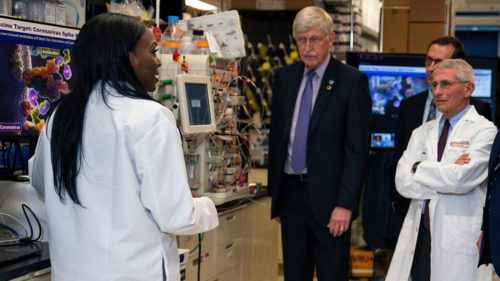
With skepticism about the safety and efficacy of a COVID-19 vaccine running high among African Americans, Dr. Anthony Fauci, the nation’s leading infectious disease expert, wants Black people to know that a Black woman, Dr. Kizzmekia Corbett, was heavily involved in developing one of the vaccines that will soon be available to Americans later this month.
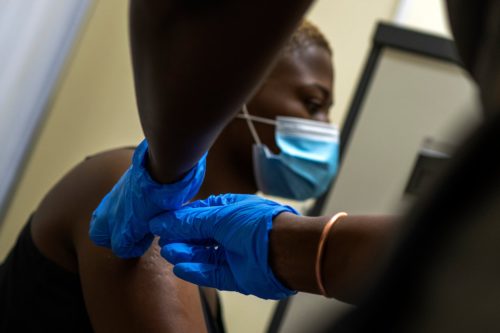
Because of the history of exploitation in the medical community in the United States, African-Americans are less likely to be vaccinated.
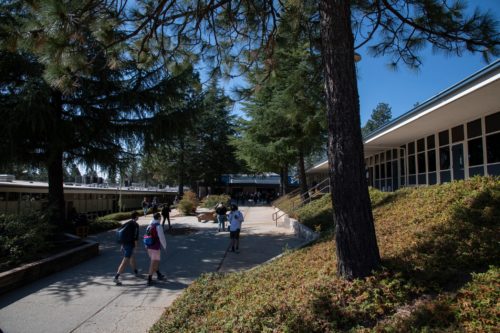
Minorities in California are impacted the most from Coronavirus, amplified by the inequalities present in the Californian education system.
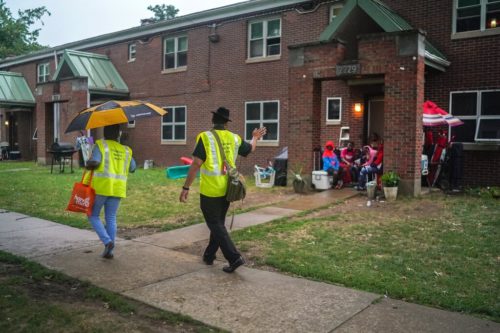
African-American inclusion in Coronavirus medical studies is crucial for racial equality. People of color have suffered the most from Covid-19, but Black people have been more hesitant than other groups to get vaccines due to a long history of abuse by medical experimenters.
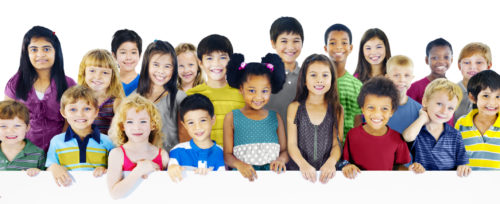
A federal court ruled that Secretary of Education DeVos violated the language of the Coronavirus Aid, Relief, and Economic Security (CARES) Act – by siphoning off relief funds to private schools, to the detriment of underserved children in public schools, including children from low-income families, children with disabilities, children of color and English language learners.Now public schools will receive the full federal emergency aid to which they are entitled.
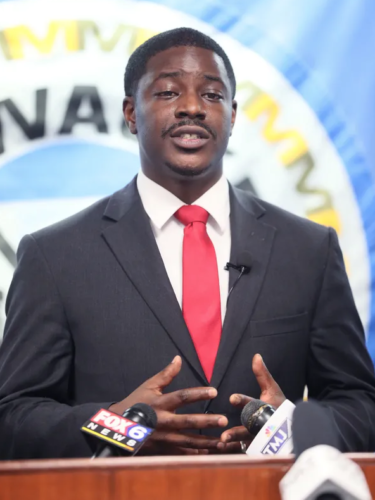
Amidst the ongoing pandemic, Milwaukee County Executive David Crawley announced that he would be dedicating his tenure to “addressing the gaping inequities” across the city

As the pandemic continues, plunging the nation into a recession, fear over evictions and the closing of small businesses is fueling concerns that gentrification may speed up.

The current global pandemic has renewed interest in Milwaukee’s recent decision to label racism a public health crisis.
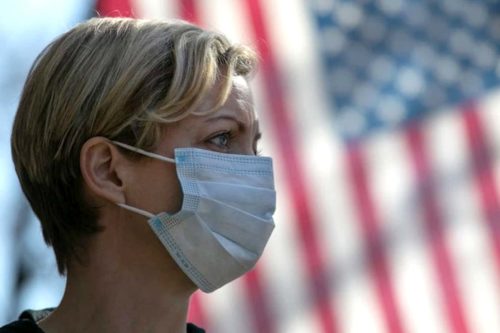
During the COVID-19 pandemic and lockdown, does the demand for a haircut and a bowling lane outweigh the need for social distancing? Some governors and protestors say it’s time to be liberated from lock-down.
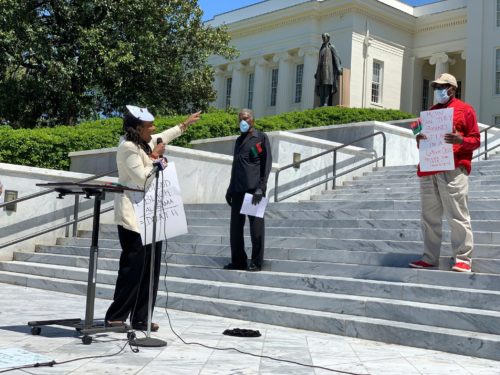
The COVID-19 infection and death rates in the Black community reflect systemic racism in all aspects of American society: healthcare, employment, education, VA benefits, home mortgages/credit, etc.