For wrongfully convicted Black men, exoneration can be just as traumatizing as prison
Share
Explore Our Galleries



Breaking News!
Today's news and culture by Black and other reporters in the Black and mainstream media.
Ways to Support ABHM?
By Curtis Bunn, NBC News
Black people are wrongfully convicted at a higher rate — and pay a high price even after being exonerated.
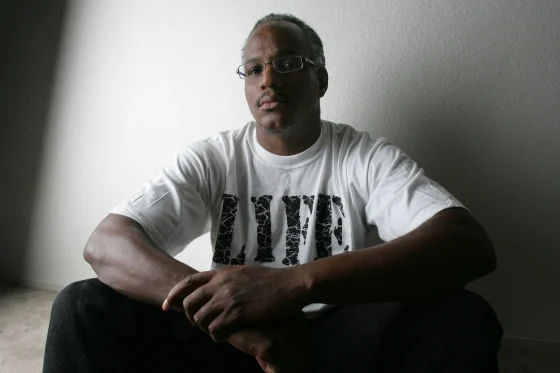
When 56-year-old Herman Atkins went just about anywhere, he had a routine: stop at a convenience store when he left the house, look into the security camera, make a minor purchase like gum or a soda, and always secure a receipt. At home in Southern California, he would file the receipts in a folder and place it in a file cabinet.
He did this for years, filling a room in his home with the documentation of his daily whereabouts. Atkins spent 12 years in prison before he was exonerated for a crime he did not commit. This was his way of avoiding another misidentification that could land him behind bars.
Atkins’ actions are not unfamiliar to those who have been wrongfully imprisoned, illustrating the devastation often overlooked that exonerated people endure as they try to re-enter society. Stories of exoneration often draw media attention and incite public joy, but they do not include the aftermath, the life once the cameras leave. Those who have been exonerated, psychologists who treat them and lawyers who represent them say their re-emergence into the world after prison produces potentially lifelong challenges with self-esteem, employment, depression and other issues that affect them and their families.
“It’s PTSD that all of us in this sort of fraternity suffer,” Atkins, who was cleared of rape in 2000 by DNA evidence, said, referring to post-traumatic stress disorder. “Being in prison when you know you shouldn’t be there is hard to describe. It’s crushing. And then all those years pass — years where you are fearful of death almost every second, conditioned in ways that bring on paranoia and anger.”
“And then suddenly, finally, you are free.”
Keep reading about the trauma caused by a wrongful conviction.
As Americans examine systemic racism, including those incarcerated for drug crimes, more Black people have been exonerated.
Find more stories like this in our breaking news archive.
Comments Are Welcome
Note: We moderate submissions in order to create a space for meaningful dialogue, a space where museum visitors – adults and youth –– can exchange informed, thoughtful, and relevant comments that add value to our exhibits.
Racial slurs, personal attacks, obscenity, profanity, and SHOUTING do not meet the above standard. Such comments are posted in the exhibit Hateful Speech. Commercial promotions, impersonations, and incoherent comments likewise fail to meet our goals, so will not be posted. Submissions longer than 120 words will be shortened.
See our full Comments Policy here.