It’s Getting Hot in Here
Share
Explore Our Galleries









Breaking News!
Today's news and culture by Black and other reporters in the Black and mainstream media.
Ways to Support ABHM?
Willy Blackmore, Word in Black
The extreme heat of 2023 can be seen as a kind of preview of what the climate might be like in the near future.
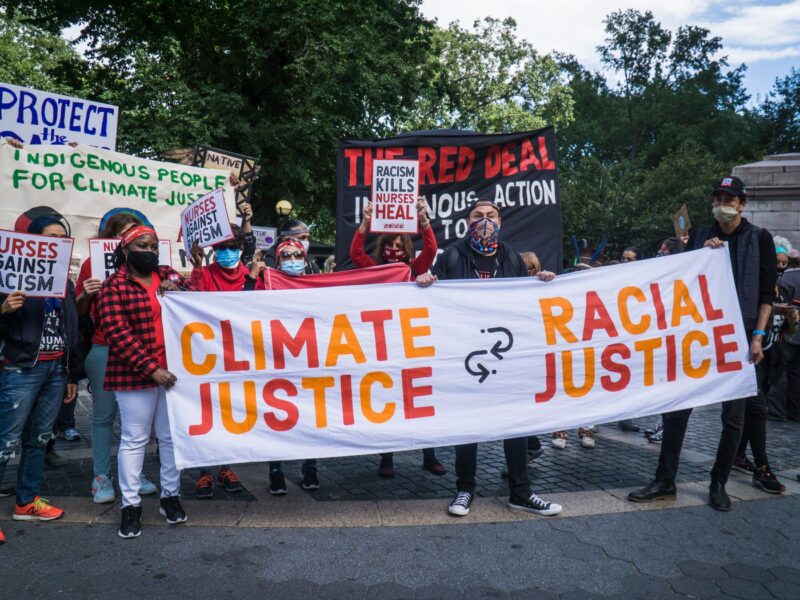
I started writing regularly for Word in Black back in August, and after a few weeks, I began to worry a bit. My beat was supposed to be climate justice, broadly speaking, but it felt like I was writing almost exclusively about something much more narrow: extreme heat.
There were kids getting severely burned on sun-baked playgrounds, a Chicago heatwave that broke the record highs set in 1995, workers who were dying on the job from heat stroke — and so often, the people dealing with the worst problems related to dangerously high temperatures were Black and Brown.
There was no doubt that these were climate justice stories; my worry was more that I was missing other stories by chasing record-heat headlines, or that writing over and over again about the incredibly high temperatures and the myriad problems they caused would lead to my stories sounding rote.
But looking back from the vantage point of December, when the roses in Brooklyn (where I live) are still in bloom because it continues to be unseasonably warm, it feels like all those stories were justified. This was, after all, the hottest year ever — a year so hot in so many places around the globe that we momentarily passed the 2-degrees Celsius threshold of warming above pre-industrial levels that, if sustained, spells doom for people and the planet.
Even as the long, hot summer of 2023 ended, there were deadly spring heatwaves in Brazil and political fights over heat-related protections for outdoor workers.
Read more in the original article.
Learn about how Black communities are fighting climate change in this Breaking News article.
Find even more Breaking News here.
Comments Are Welcome
Note: We moderate submissions in order to create a space for meaningful dialogue, a space where museum visitors – adults and youth –– can exchange informed, thoughtful, and relevant comments that add value to our exhibits.
Racial slurs, personal attacks, obscenity, profanity, and SHOUTING do not meet the above standard. Such comments are posted in the exhibit Hateful Speech. Commercial promotions, impersonations, and incoherent comments likewise fail to meet our goals, so will not be posted. Submissions longer than 120 words will be shortened.
See our full Comments Policy here.