It’s Time to Know the True History of Dr. King and Native Americans
Share
Explore Our Galleries


Breaking News!
Today's news and culture by Black and other reporters in the Black and mainstream media.
Ways to Support ABHM?
By David Carr, Word in Black
Martin Luther King Jr. advocated for the desegregation of Native Americans and inspired much of the modern-day movement for Native rights, including water rights and tribal sovereignty.
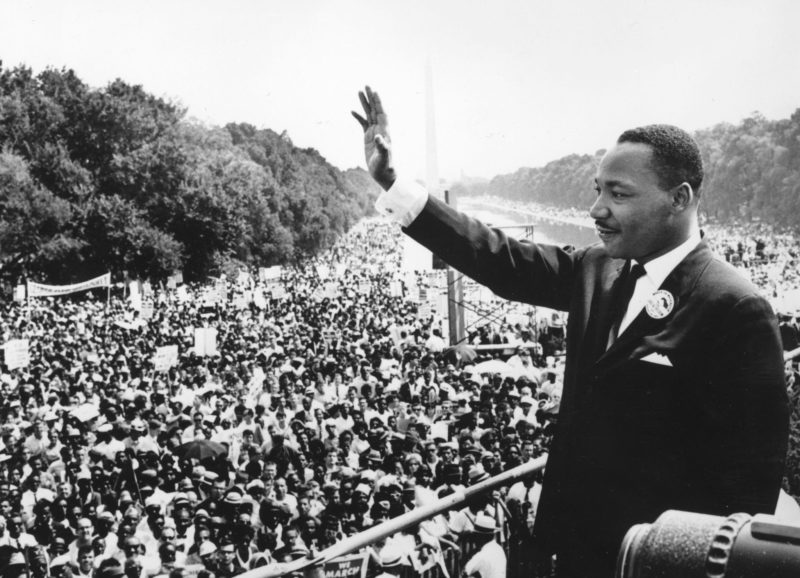
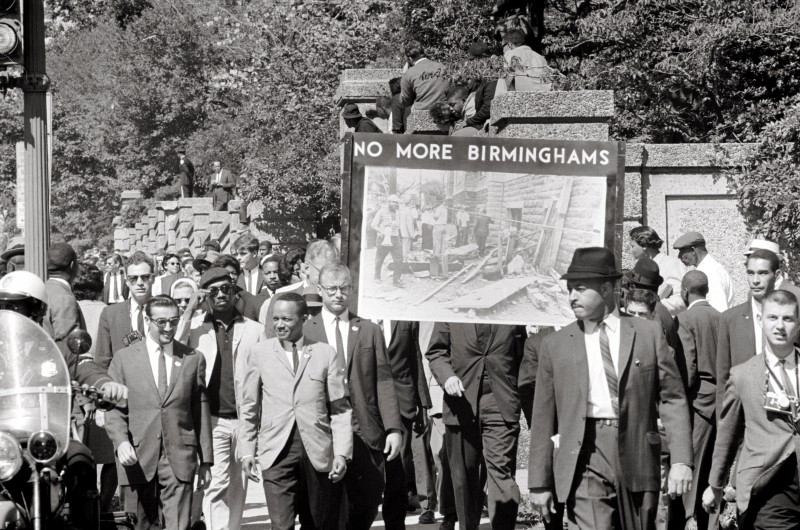
On Monday, January 15, the United States will celebrate Dr. Martin Luther King Jr.’s birthday and pay homage to the civil rights leader who helped move the nation to live up to its potential.
While much has been written about King’s community organizing, his guidance in the Southern Leadership Conference, and his amazing rhetorical skills, we still have much to learn about the civil rights leader who dared to dream. It is not widely known that while King obviously was serious about securing civil rights for African Americans and healing the wounds and divisions between Black and white, he was also a vocal and proud supporter of Native American civil rights.
King specifically advocated for the desegregation of Native Americans and inspired much of the modern-day movement for Native rights, including water rights and tribal sovereignty.
In his 1963 book, “Why We Can’t Wait,” King did not hold back with it came to his feelings on the treatment of Native Americans by the U.S. government.
Learn more about Dr. King’s activism.
Read about the struggle for equal rights in our virtual exhibits.
Comments Are Welcome
Note: We moderate submissions in order to create a space for meaningful dialogue, a space where museum visitors – adults and youth –– can exchange informed, thoughtful, and relevant comments that add value to our exhibits.
Racial slurs, personal attacks, obscenity, profanity, and SHOUTING do not meet the above standard. Such comments are posted in the exhibit Hateful Speech. Commercial promotions, impersonations, and incoherent comments likewise fail to meet our goals, so will not be posted. Submissions longer than 120 words will be shortened.
See our full Comments Policy here.