Labor board: Home Depot violated labor law by firing an employee who drew ‘BLM’ on work apron
Share
Explore Our Galleries









Breaking News!
Today's news and culture by Black and other reporters in the Black and mainstream media.
Ways to Support ABHM?
By Ann D’Innocenzio
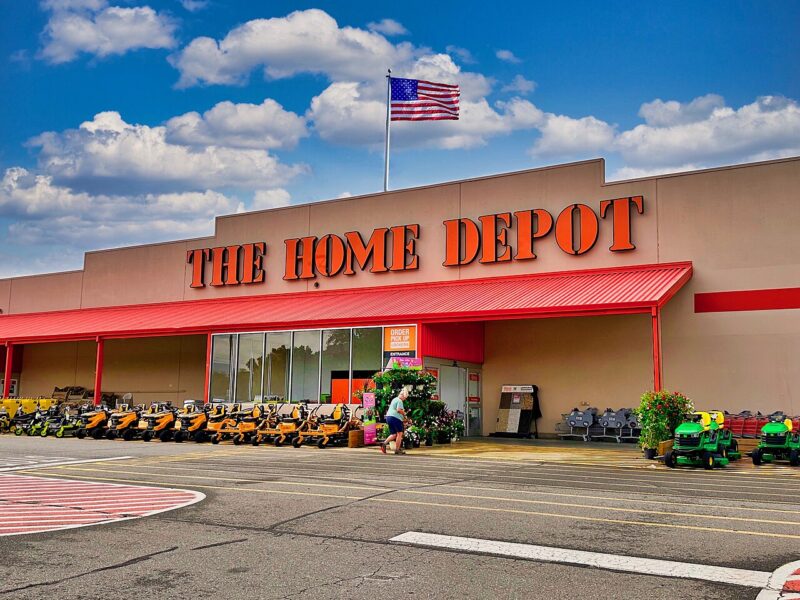
NEW YORK (AP) — The nation’s labor board ruled on Wednesday that Home Depot violated federal labor law when it fired an employee for refusing to remove the hand-drawn “BLM” acronym for “Black Lives Matter” from a work apron.
The National Labor Relations Act said it protects the legal right of employees to engage in “concerted activities” for the purpose of “mutual aid or protection” regardless of whether they are represented by a union.
The board reasoned that the decision by the worker — identified as Antonio Morales — to display the BLM acronym on the apron was a direct response to racial discrimination complaints within the store and is protected under federal law. It was also an attempt by Morales to bring the complaints to the attention of Home Depot managers.
“It is well-established that workers have the right to join together to improve their working conditions — including by protesting racial discrimination in the workplace,” said Chairman Lauren McFerran in a statement. “It is equally clear that an employee who acts individually to support a group protest regarding a workplace issue remains protected under the law.”
Learn about Black history in our online exhibits.
More breaking news here.
Comments Are Welcome
Note: We moderate submissions in order to create a space for meaningful dialogue, a space where museum visitors – adults and youth –– can exchange informed, thoughtful, and relevant comments that add value to our exhibits.
Racial slurs, personal attacks, obscenity, profanity, and SHOUTING do not meet the above standard. Such comments are posted in the exhibit Hateful Speech. Commercial promotions, impersonations, and incoherent comments likewise fail to meet our goals, so will not be posted. Submissions longer than 120 words will be shortened.
See our full Comments Policy here.