Law school project finds slavery citations still being used today
Share
Explore Our Galleries









Breaking News!
Today's news and culture by Black and other reporters in the Black and mainstream media.
Ways to Support ABHM?
By Corey Williams, AFRO
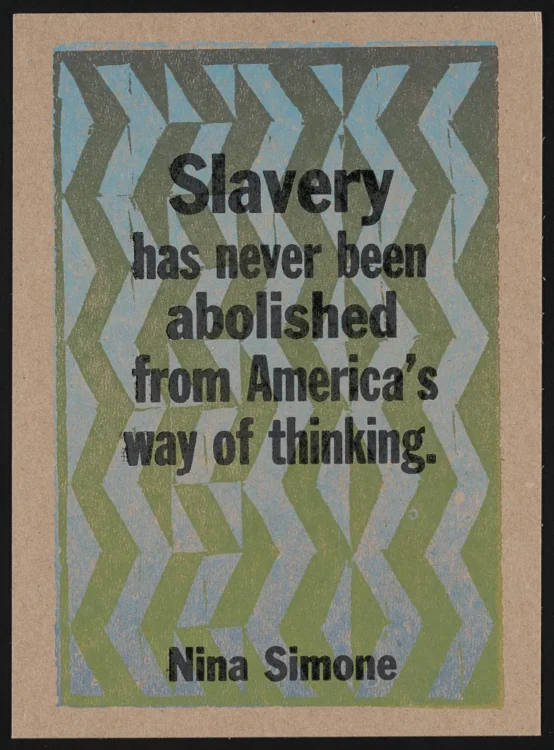
EAST LANSING, Mich. (AP) — An 1842 U.S. Supreme Court ruling overturning the kidnapping conviction of a White man who seized a Black family and forced them into slavery south of the Mason-Dixon line is still being cited in American jurisprudence, 160 years after enslaved people throughout the U.S. were freed.
Prigg v. Pennsylvania has been cited in 274 other rulings since then, according to the Citing Slavery Project at Michigan State University. They are among more than 7,000 direct citations of slavery-law precedents that continue to guide lawyers and judges, said the project’s director, law professor Justin Simard.
This research into the lasting impact of legal principles related to the ownership of other humans is a counterpoint to efforts by the Trump administration and elected officials in Republican-led states to remove references to America’s racial history and dictate what teachers can discuss in classrooms.
Explore the full story in the Afro article.
Discover more about Black history through our galleries.
Comments Are Welcome
Note: We moderate submissions in order to create a space for meaningful dialogue, a space where museum visitors – adults and youth –– can exchange informed, thoughtful, and relevant comments that add value to our exhibits.
Racial slurs, personal attacks, obscenity, profanity, and SHOUTING do not meet the above standard. Such comments are posted in the exhibit Hateful Speech. Commercial promotions, impersonations, and incoherent comments likewise fail to meet our goals, so will not be posted. Submissions longer than 120 words will be shortened.
See our full Comments Policy here.