Memphis, Tenn., Votes to Exhume Body of Confederate General, KKK Leader Buried in City Park
Share
Explore Our Galleries









Breaking News!
Today's news and culture by Black and other reporters in the Black and mainstream media.
Ways to Support ABHM?
By Breanna Edwards, theRoot
Memphis, Tenn., city leaders unanimously voted on Tuesday night to exhume the body of Nathan Bedford Forrest, a former Confederate general and Ku Klux Klan leader who is buried in the city’s Health Sciences Park, and move him to a private cemetery, Fusion reports. According to the report, the City Council also voted to move his wife’s body from the park and to take down the statue of Forrest sitting on a horse that currently stands in the park…
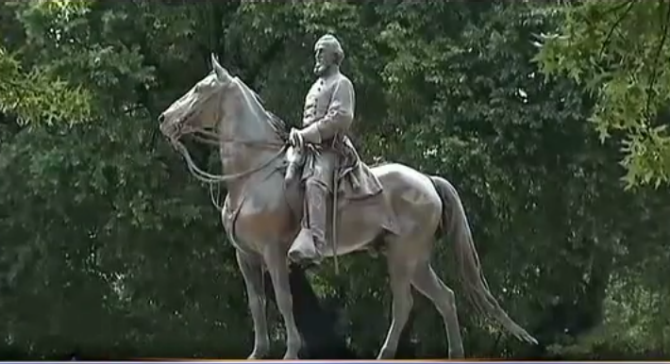
“Nathan Bedford Forrest is a symbol of bigotry and racism, and those symbols have no place on public property,” council Chairman Myron Lowery told Fusion. “What we’re doing here in Memphis is no different from what’s happening across the country.”
Forrest was a Memphis native who made his wealth in the slave trade and gained name recognition as a general for the Confederate Army. He later became the KKK’s first Grand Wizard in 1868 but eventually withdrew from the notorious hate group.
As the news site notes, a Tennessee court and the Tennessee Historical Commission still have to approve the removal of the graves, and not everyone is thrilled with the idea.
“I think it’s disgusting that people use the shooting in Charleston and use those victims to forward their own agenda and join this anti-Confederate hysteria that’s going on,” Sons of the Confederate Veterans spokesman Lee Millar told local news station WREG.
Read the full article here.
Read more Breaking News here.
Comments Are Welcome
Note: We moderate submissions in order to create a space for meaningful dialogue, a space where museum visitors – adults and youth –– can exchange informed, thoughtful, and relevant comments that add value to our exhibits.
Racial slurs, personal attacks, obscenity, profanity, and SHOUTING do not meet the above standard. Such comments are posted in the exhibit Hateful Speech. Commercial promotions, impersonations, and incoherent comments likewise fail to meet our goals, so will not be posted. Submissions longer than 120 words will be shortened.
See our full Comments Policy here.