Philadelphia has created its first historic district designated to recognize Black history
Share
Explore Our Galleries









Breaking News!
Today's news and culture by Black and other reporters in the Black and mainstream media.
Ways to Support ABHM?
By Michaelle Bond, The Philadelphia Inquirer
The Christian Street/Black Doctors Row Historic District stretches for six blocks in the Graduate Hospital neighborhood.
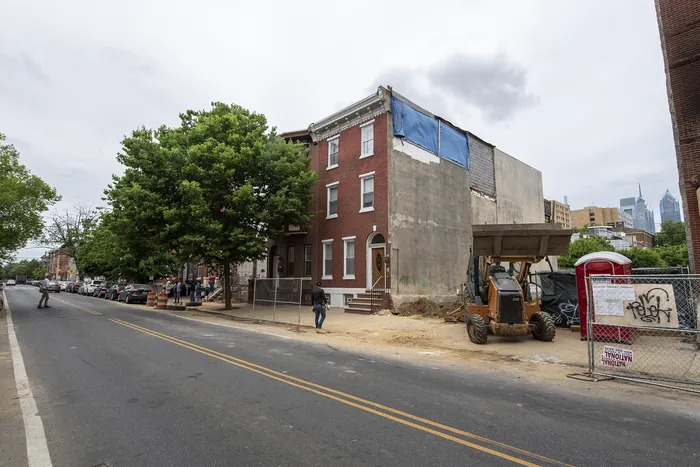
Philadelphia has its first local historic district designated to recognize its Black history.
The Philadelphia Historical Commission voted unanimously Friday to create the Christian Street/Black Doctors Row Historic District, capping a yearslong effort to preserve the area referred to as a “main street” for upper-middle-class Black Philadelphians in the 20th century. City Council’s one-year demolition moratorium for the six-block stretch of the Graduate Hospital neighborhood expired July 1.
The new designation protects the area against demolitions and adds a layer of review for changes to the exterior of properties.
Concerns about demolitions in 2020 and continued development pressure in the area inspired the nearly two-year effort by the South of South Neighborhood Association and the Preservation Alliance for Greater Philadelphia to lobby for the historic district, backed by the neighborhood’s City Councilmember Kenyatta Johnson. The nomination highlights both the cultural heritage and architectural style of the area. The Historical Commission’s Committee on Historic Designation recommended the commission create the district at a meeting last month.
Find out how this historic district was created.
Although there’s still progress to be made, the city that has ties to the race wars is making strides. For example, young Black men have taken on the challenge of decreasing gun violence.
Get more breaking Black news.
Comments Are Welcome
Note: We moderate submissions in order to create a space for meaningful dialogue, a space where museum visitors – adults and youth –– can exchange informed, thoughtful, and relevant comments that add value to our exhibits.
Racial slurs, personal attacks, obscenity, profanity, and SHOUTING do not meet the above standard. Such comments are posted in the exhibit Hateful Speech. Commercial promotions, impersonations, and incoherent comments likewise fail to meet our goals, so will not be posted. Submissions longer than 120 words will be shortened.
See our full Comments Policy here.