Search Results
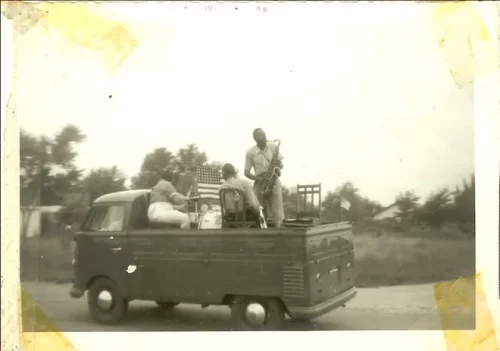
Black Americans settled Lake Ivanhoe nearly 100 years ago, and the community is finally being recognized by the Wisconsin Historical Society.
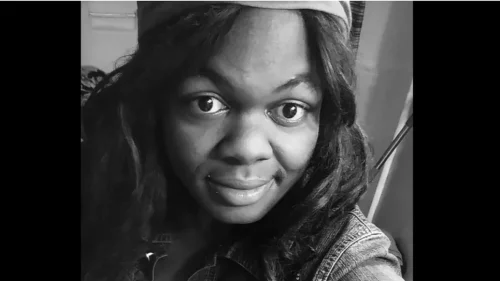
Trans women are only a small portion of the Black community, but they are disproportionately victims of murder and other hate crimes.
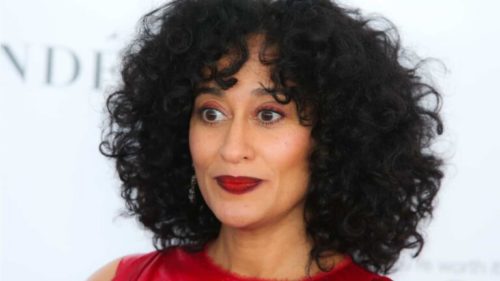
Actress and activist Tracee Ellis Ross has joined forces with nonprofit Buy From A Black Woman to put products by Black women into H&M stores.
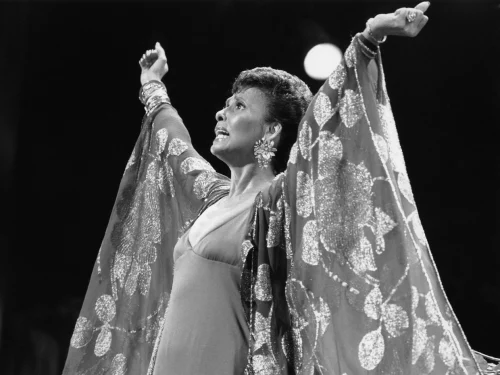
The talented entertainer and activist Lena Horne will be honored with a theater named after her on Broadway, where she once performed.
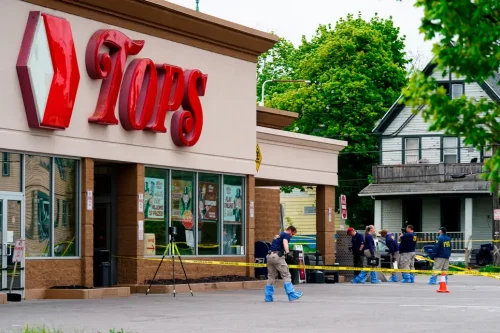
https://www.abhmuseum.org/breaking-news/
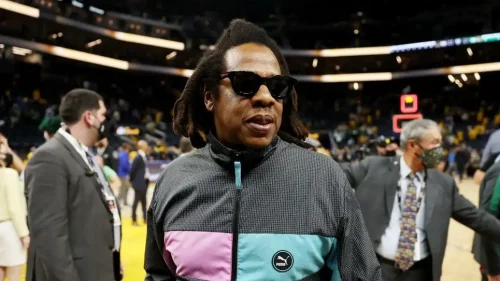
A surprising partnership between rapper Jay-Z and Twitter founder Jack Dorsey will establish an academy to teach about bitcoin in New York.
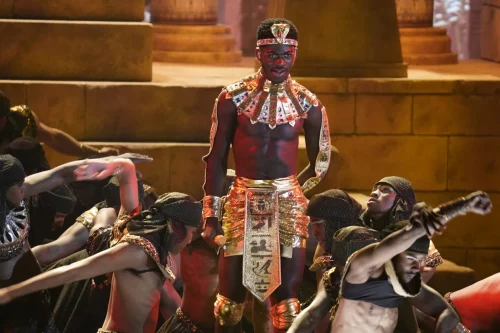
Lil Nas X believes a recent award snub reflects longstanding homophobia within the Black community and called out the BET Awards for it.
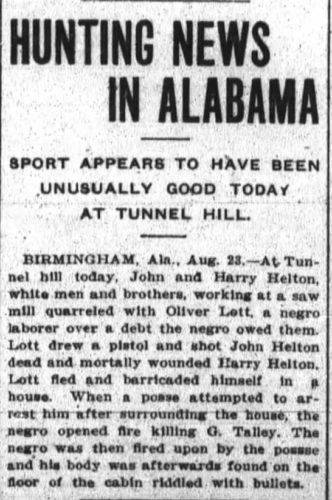
A genealogist, teacher, and writer from Alabama became interested in Lett’s story when teaching middle school students genealogy, ELA, and social studies. She took them on a field trip to EJI’s Lynching Memorial, where they saw Oliver Lett’s name and realized that he was an ancestor of many of her students.
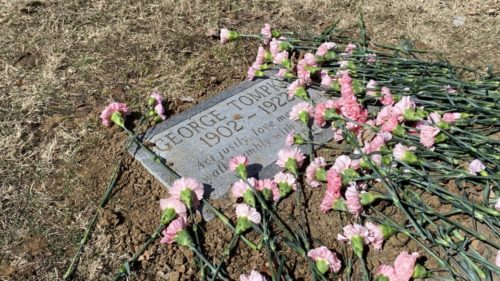
100 years after George Tompkins’ hanging death was ruled a suicide, his death certificate has been updated to reflect the reality of his murder.
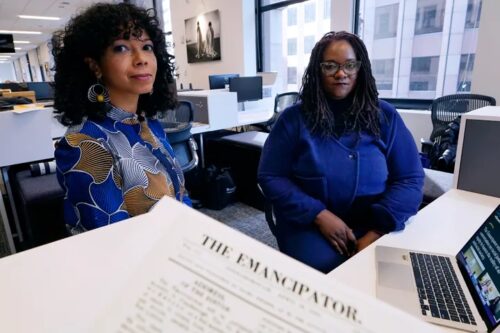
America’s first newspaper dedicated to advocating for the end of slavery is being resurrected and reimagined more than two centuries later as the nation continues to grapple with its legacy of racism.