The “Black National Anthem” First Performed on This Date in 1900

Share

Explore Our Galleries
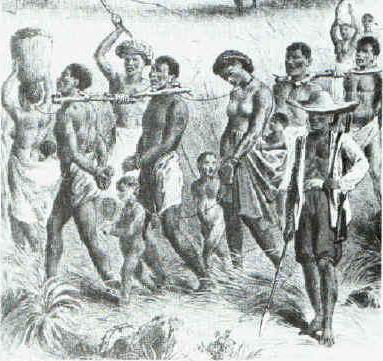
Slaves captured in the interior being marched to the coast for sale
Eyewitness Account: The Kidnapping of Africans for Slaves
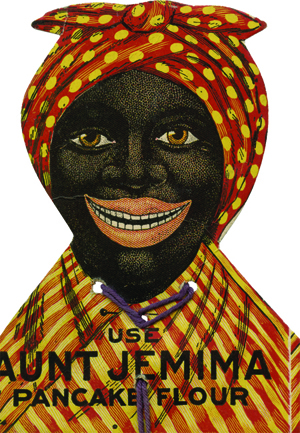
The mammy, Aunt Jemima, offers comfort food
Hateful Things: An Exhibit from the Jim Crow Museum of Racist Memorabilia
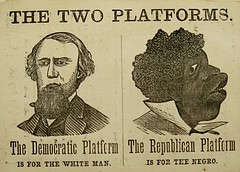
The Two Platforms
Political Parties in Black and White
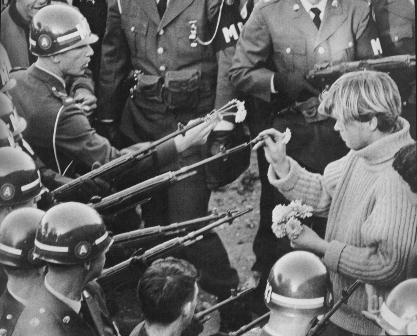
Anti-Vietnam War protesters faced National Guard guns with flowers.
Social Movements and Organizations of the 1960s, 70s and 80s
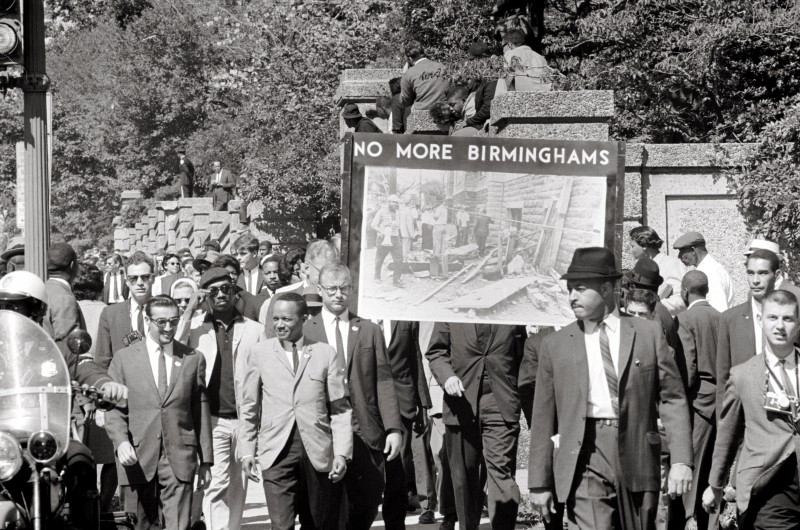
CORE march in Washington DC, 1963, to protest the bombing of the 16th St. Baptist Church in Birmingham, Alabama. Four little girls were killed in the attack.
Turning the Tables on Civil Rights: The 1970s and 1980s
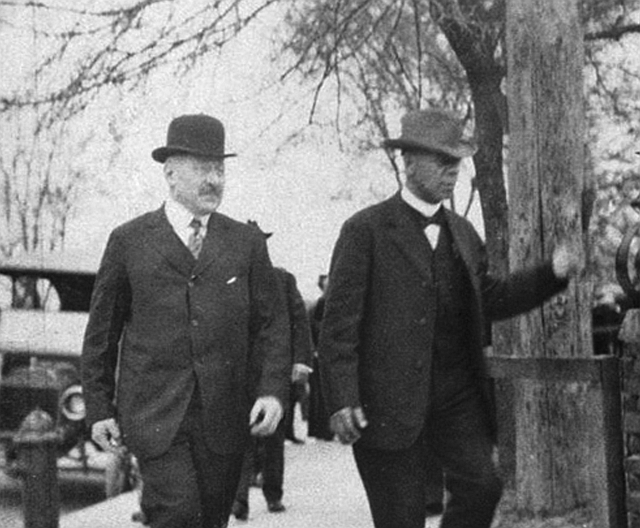
JRosenwald & BookerTWashington
The Rosenwald Schools: An Impressive Legacy of Black-Jewish Collaboration for Negro Education
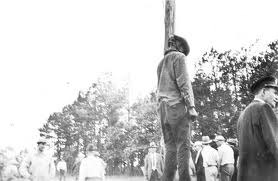
John Carter lynched w:policeman
John Carter: A Scapegoat for Anger
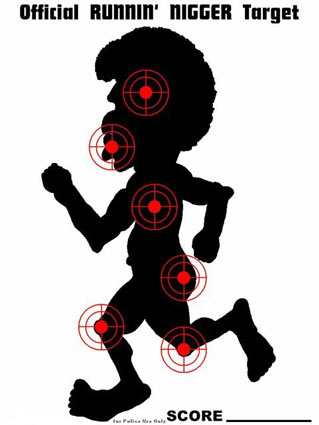
Running Black Man Target
Hateful Speech
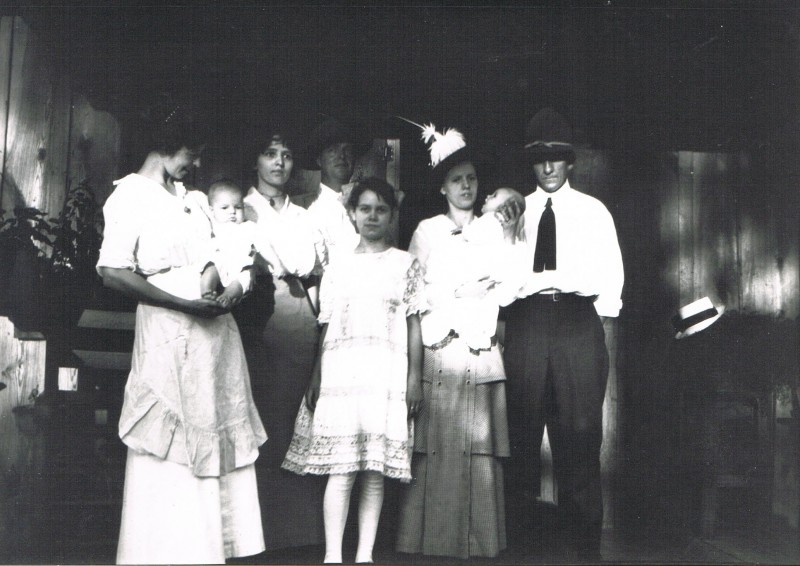
Harps on porch 1919
Inheriting Home: The Skeletons in Pa’s Closet

Breaking News!

Today's news and culture by Black and other reporters in the Black and mainstream media.

Ways to Support ABHM?

From Wikipedia
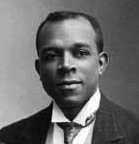
John Rosamond Johnson, was an American composer and singer during the Harlem Renaissance. He was trained in music at the New England Conservatory and active in various musical roles during his career.
ames Weldon Johnson (June 17, 1871 – June 26, 1938) was an American author, politician, diplomat, critic, journalist, poet, anthologist, educator, lawyer, songwriter, and early civil rights activist. Johnson is remembered best for his leadership within the NAACP, as well as for his writing, which includes novels, poems, and collections of folklore and folksongs.
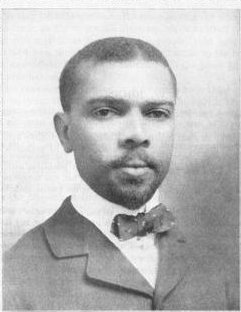
James Weldon Johnson (June 17, 1871 – June 26, 1938) was an American author, politician, diplomat, critic, journalist, poet, anthologist, educator, lawyer, songwriter, and early civil rights activist.
Johnson is remembered best for his leadership within the NAACP, as well as for his writing, which includes novels, poems, and collections of folklore and folksongs.
Aged around 30 at the time of this photo, James W. Johnson had already written Lift Ev’ry Voice and Sing and been admitted to the Florida bar.

Lift Every Voice and Sing” — sometimes referred to as “The Negro National Hymn” or “The African-American National Anthem”—is a song written as a poem by James Weldon Johnson (1871–1938) in 1899 and set to music by his brother John Rosamond Johnson (1873–1954) in 1900.

“Lift Every Voice and Sing” was publicly performed first as a poem as part of a celebration of Lincoln’s Birthday on February 12, 1900, by 500 school children at the segregated Stanton School. Its principal, James Weldon Johnson, wrote the words to introduce its honored guest Booker T. Washington. The poem was later set to music by Johnson’s brother John in 1905.

Read more about  the multitalented and prolific brothers, James Weldon Johnson and J.Rosamond Johnson.

Read more Breaking News here.

Comments Are Welcome

Note: We moderate submissions in order to create a space for meaningful dialogue, a space where museum visitors – adults and youth –– can exchange informed, thoughtful, and relevant comments that add value to our exhibits.

Racial slurs, personal attacks, obscenity, profanity, and SHOUTING do not meet the above standard. Such comments are posted in the exhibit Hateful Speech. Commercial promotions, impersonations, and incoherent comments likewise fail to meet our goals, so will not be posted. Submissions longer than 120 words will be shortened.

See our full Comments Policy here.

Leave a Comment